Stream Ocean
Stream Ocean measures the life around ocean sites with solar-powered buoys, underwater cameras and a species-detection model. The identity, the website and the Sentinel dashboard were designed as one piece in 2026, from the mark outward: the same window onto the water on the poster, on the site and around every fish the model finds.
- Scope of work
- Brand identity, website, product design
- Industry
- Nature tech
- Deliverables
- Mark and construction, type, colour, social, website, Sentinel dashboard
- Year
- 2026
A window onto the water
Stream Ocean puts solar-powered buoys and underwater cameras on remote marine sites and runs the footage through a species-detection model, so an offshore operator, a regulator or a restoration team can see what lives at a site without sending divers.
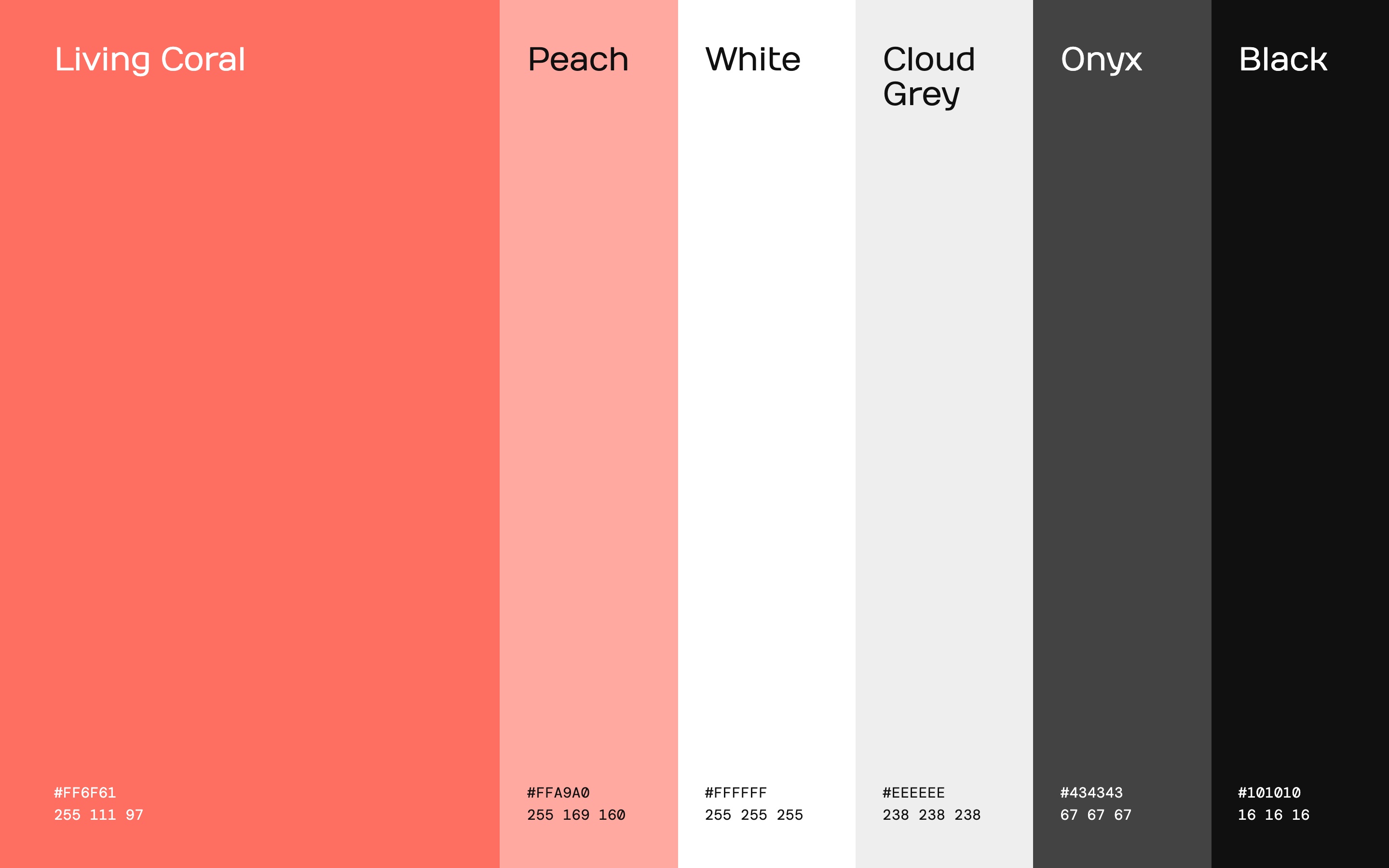
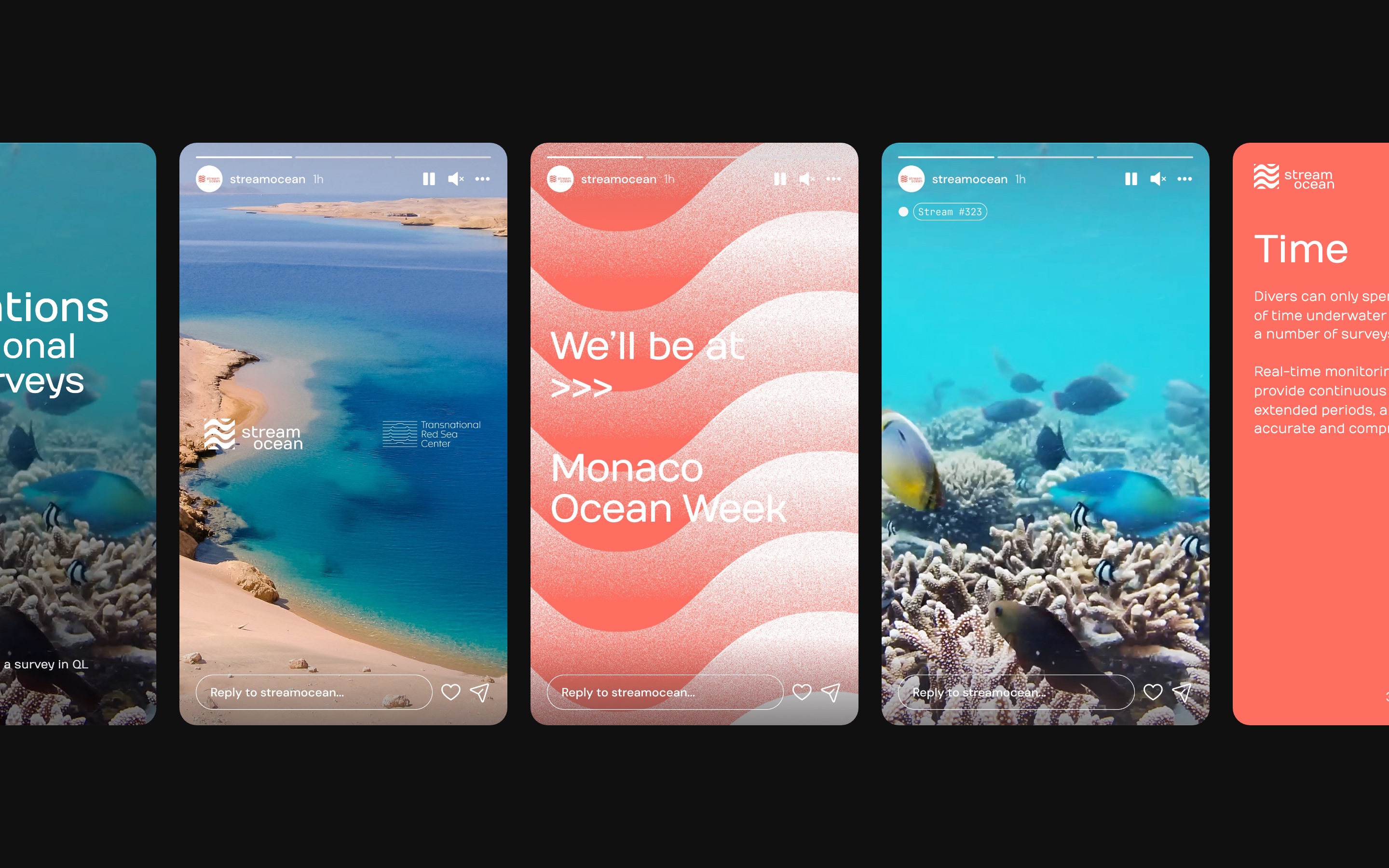
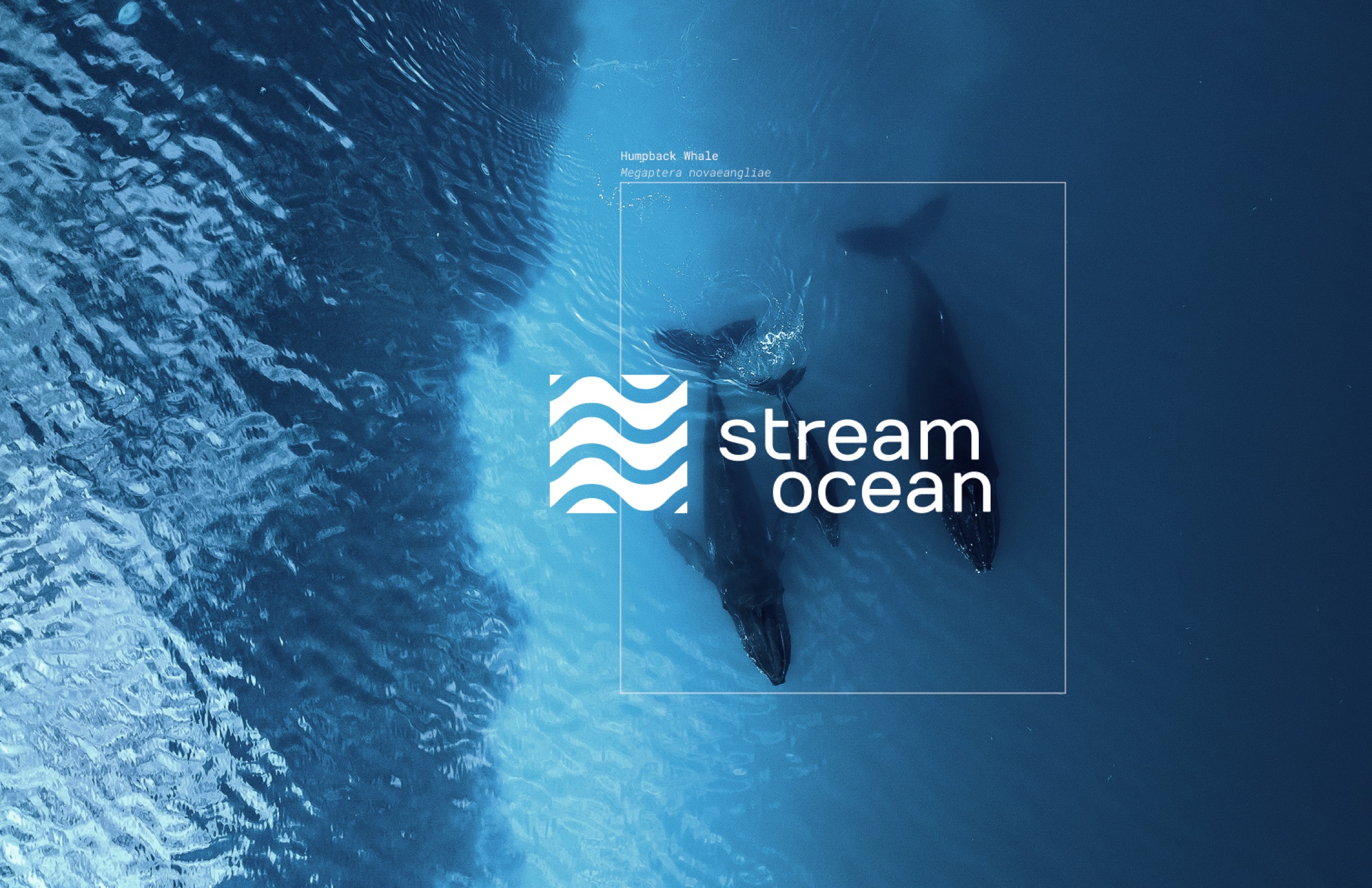
The mark is a square window onto water: wave bands drawn on a grid derived from circle geometry, with clear space and lockup set from the cap height. The frame the model draws around a fish is the same window at another scale, which is why it appears in the stories and on the site. One colour carries the palette. Living Coral stands for the ecosystems the cameras watch and the urgency of keeping them.
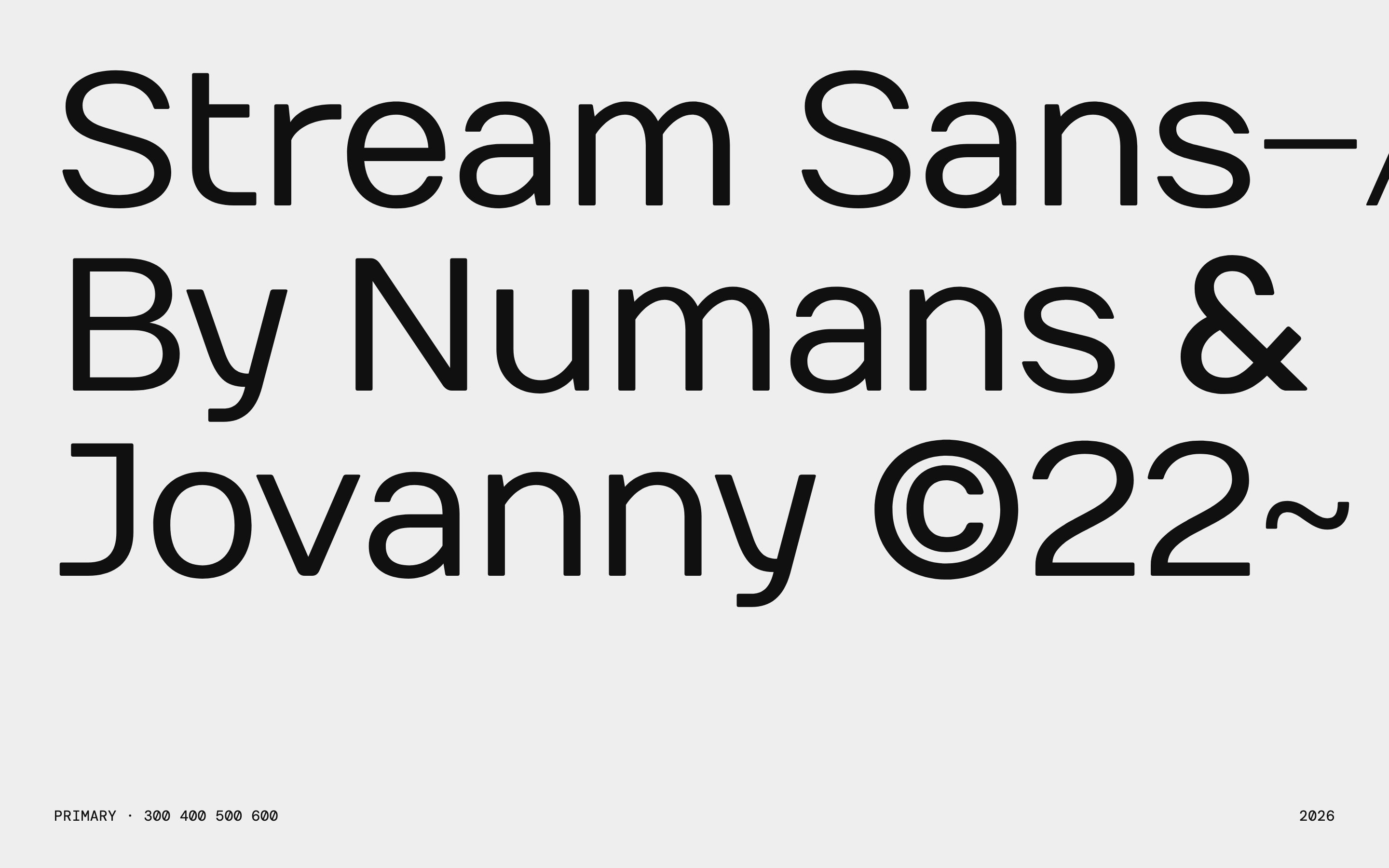
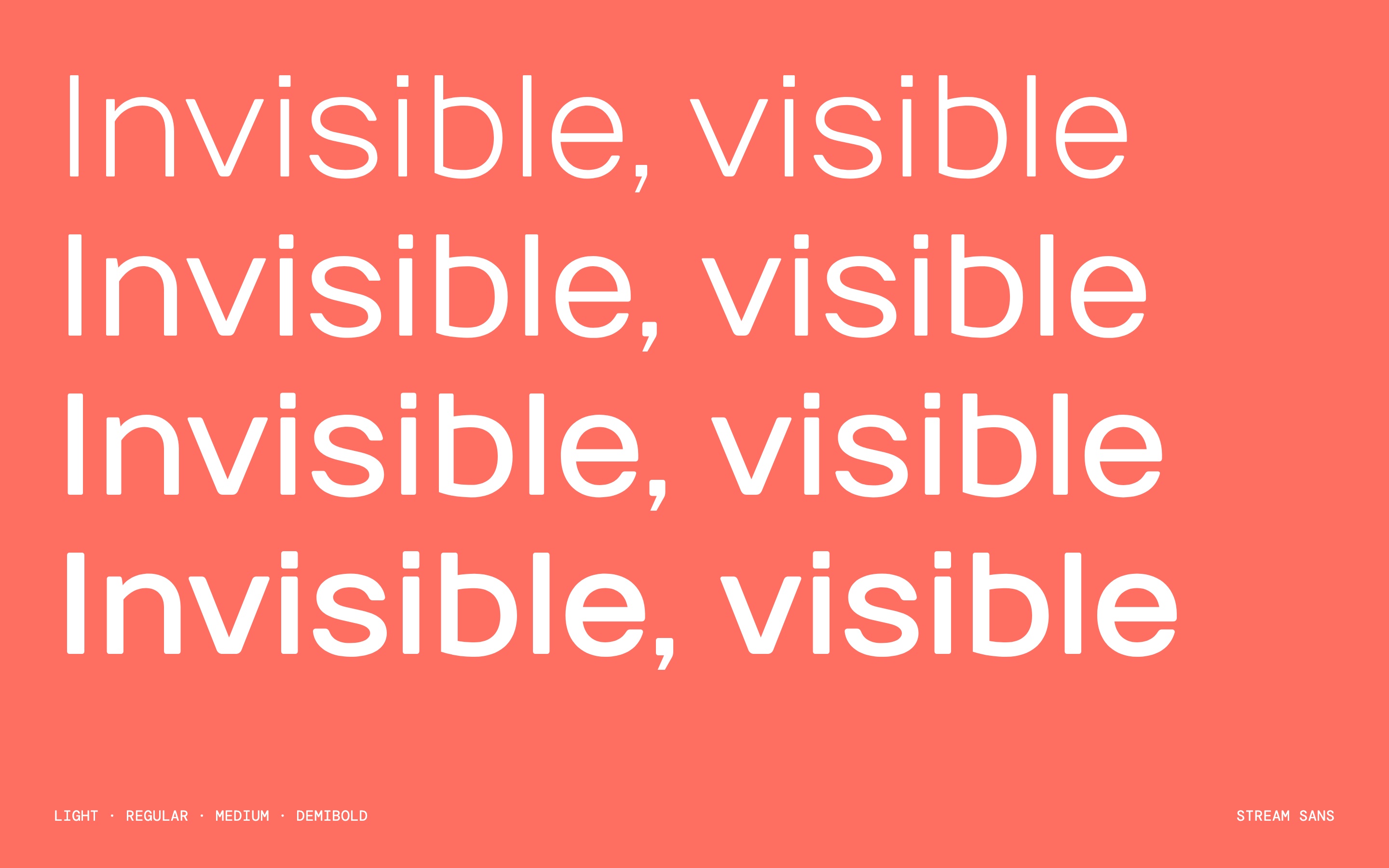
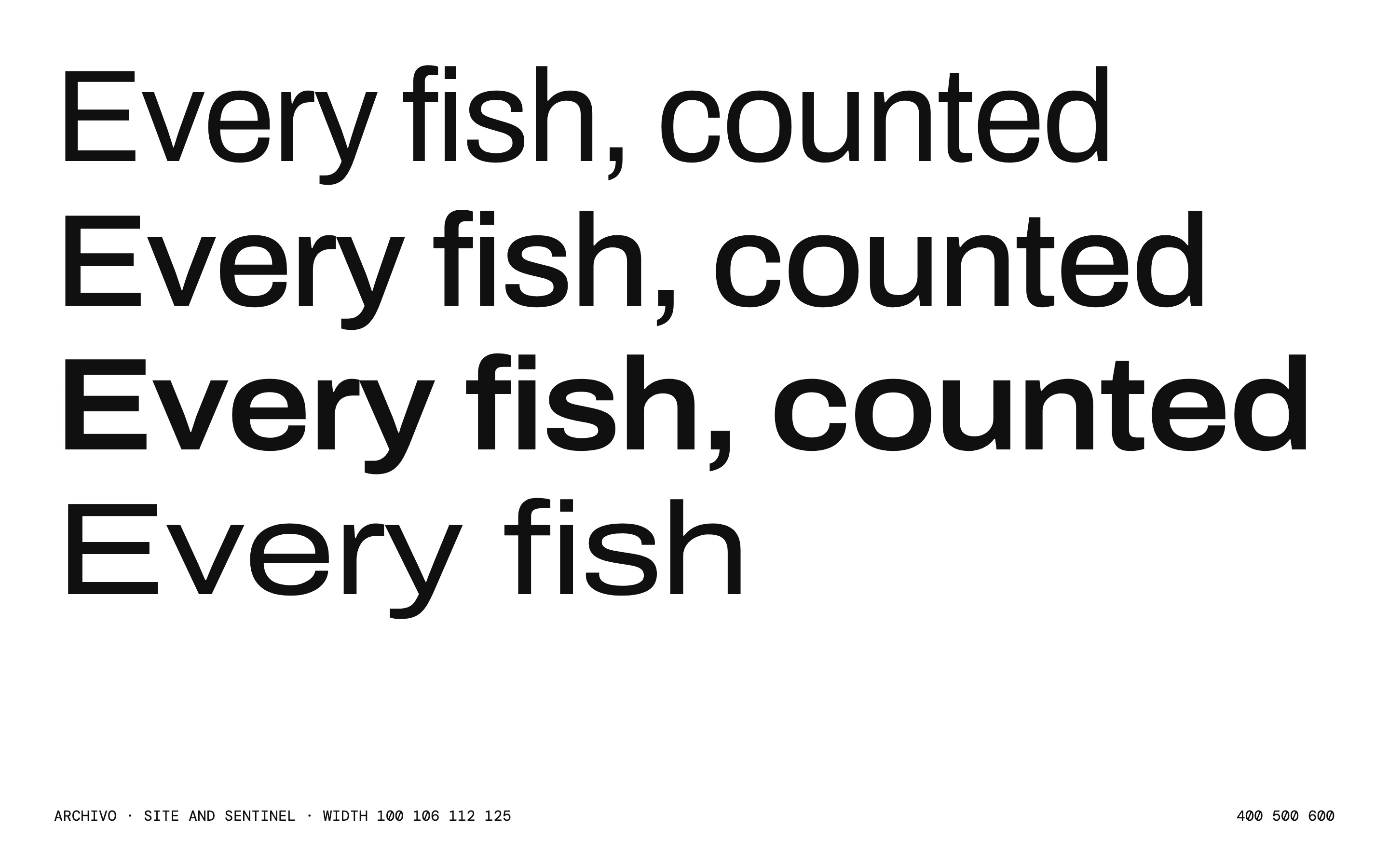
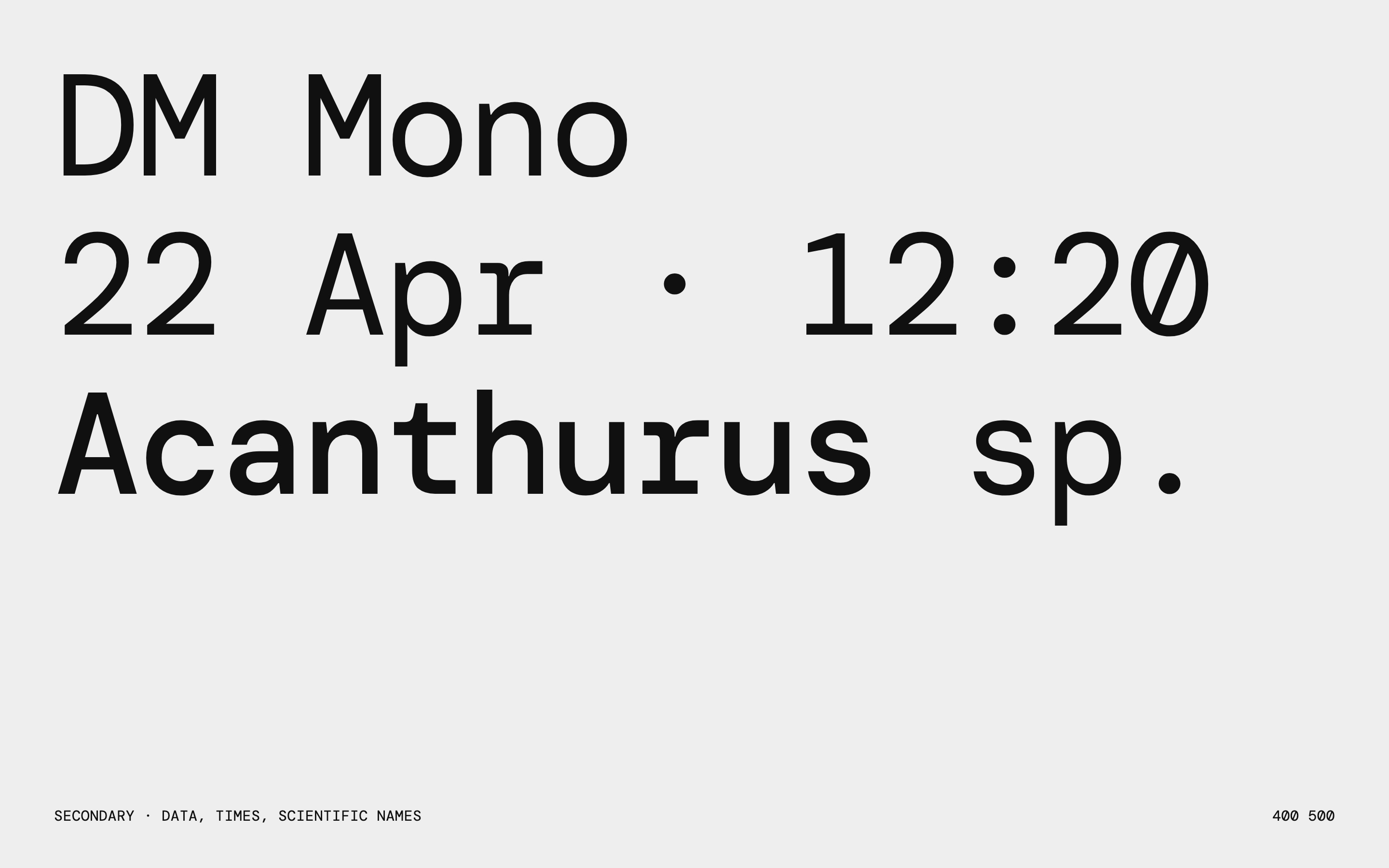
The identity covers the mark and its construction, Stream Sans for the brand with Archivo and DM Mono for the site and Sentinel, a six-colour palette, social templates, the website and the product.


The site and the system
The website gives the hardware, the detection and the dashboard equal weight: the camera turning on white, the system shown part by part, the model's own output unedited, and one call to action, a pilot at a single site.
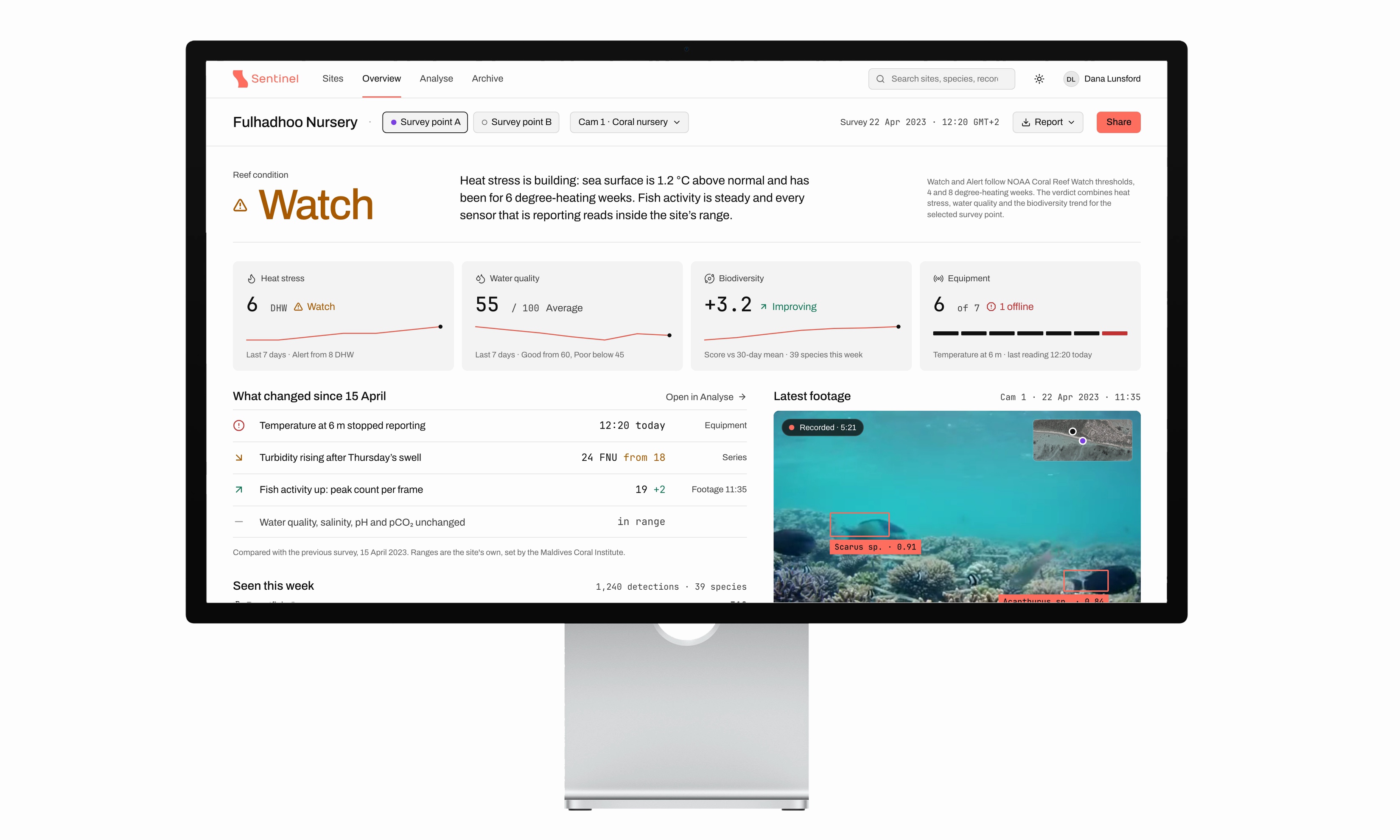
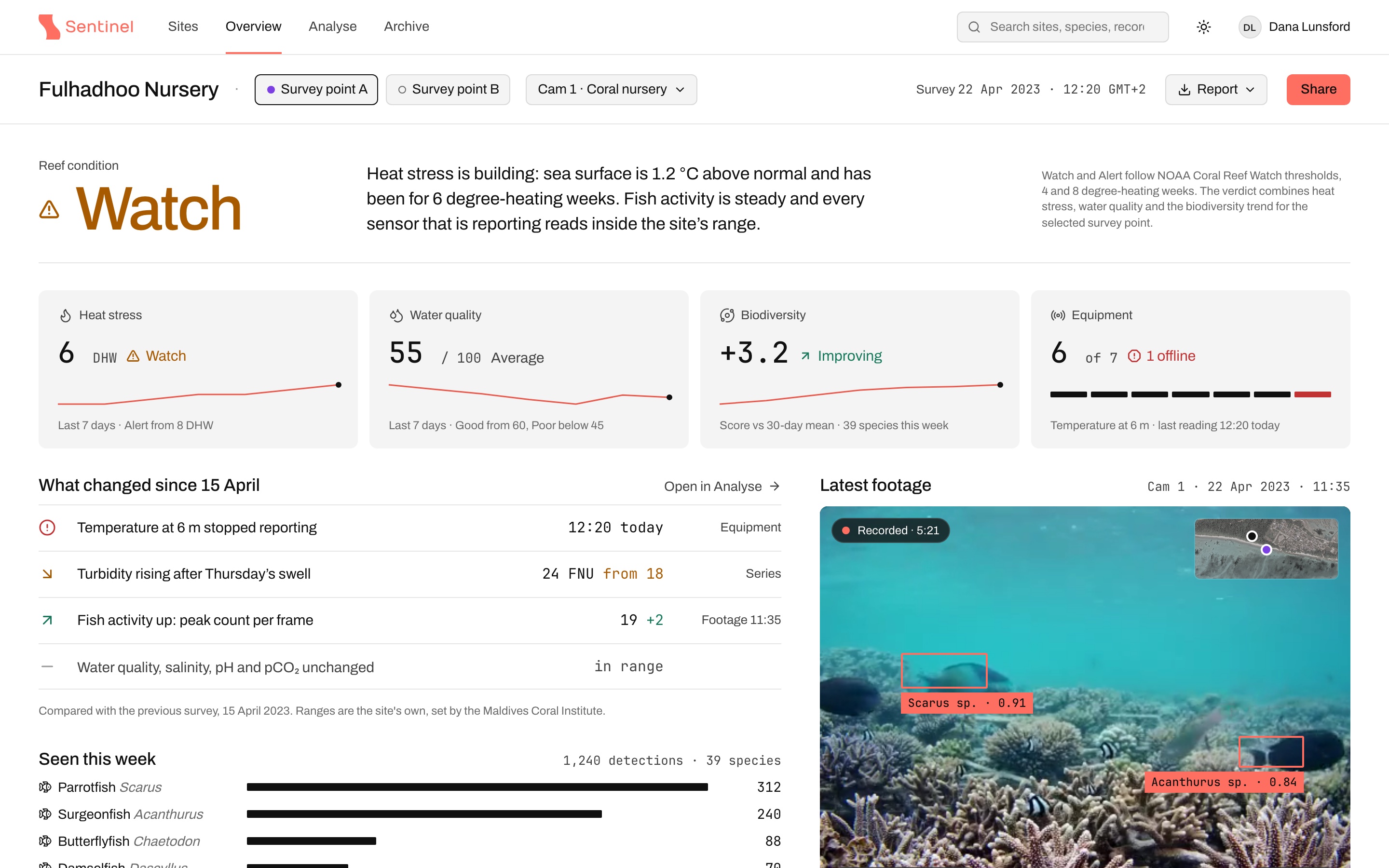
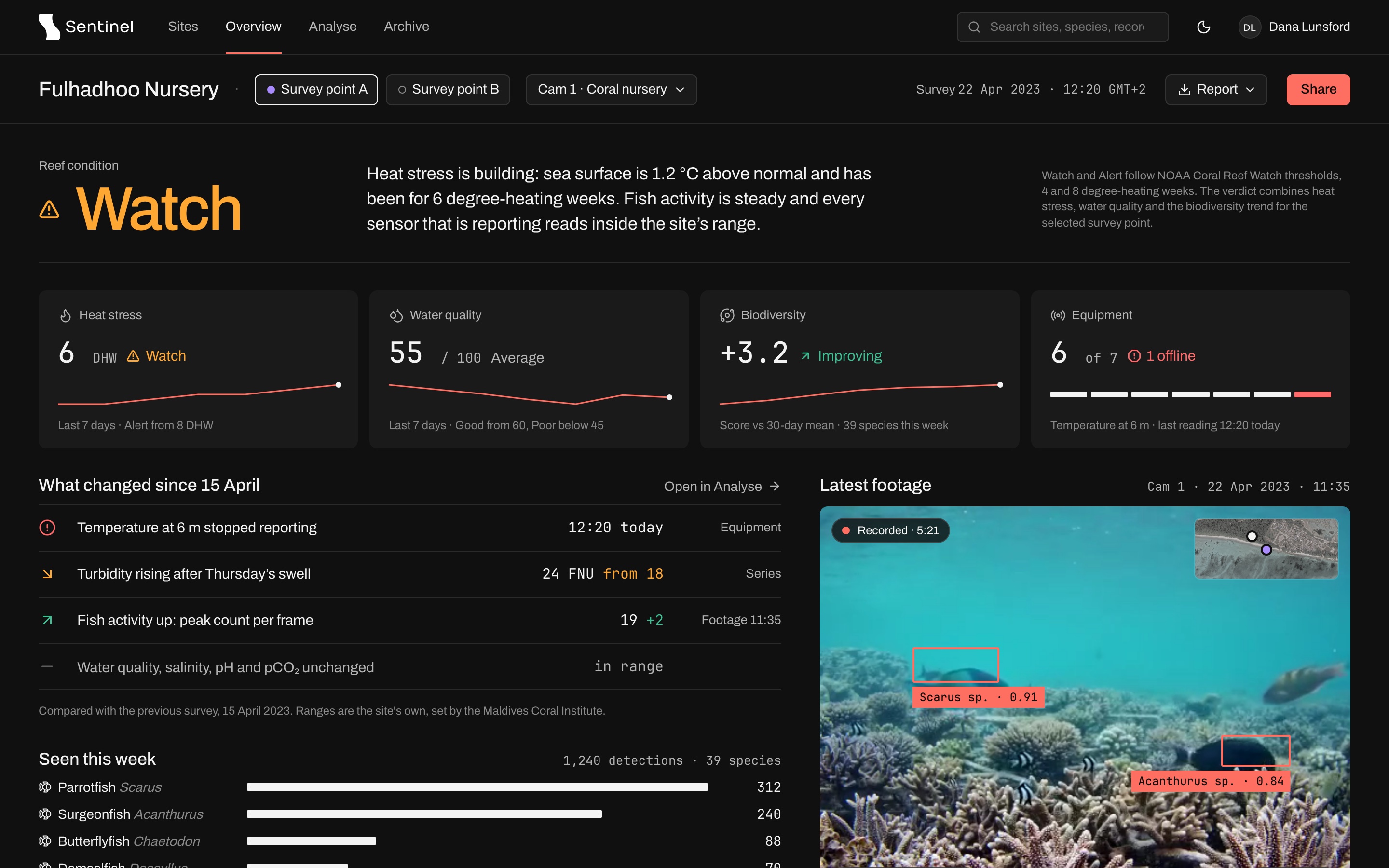
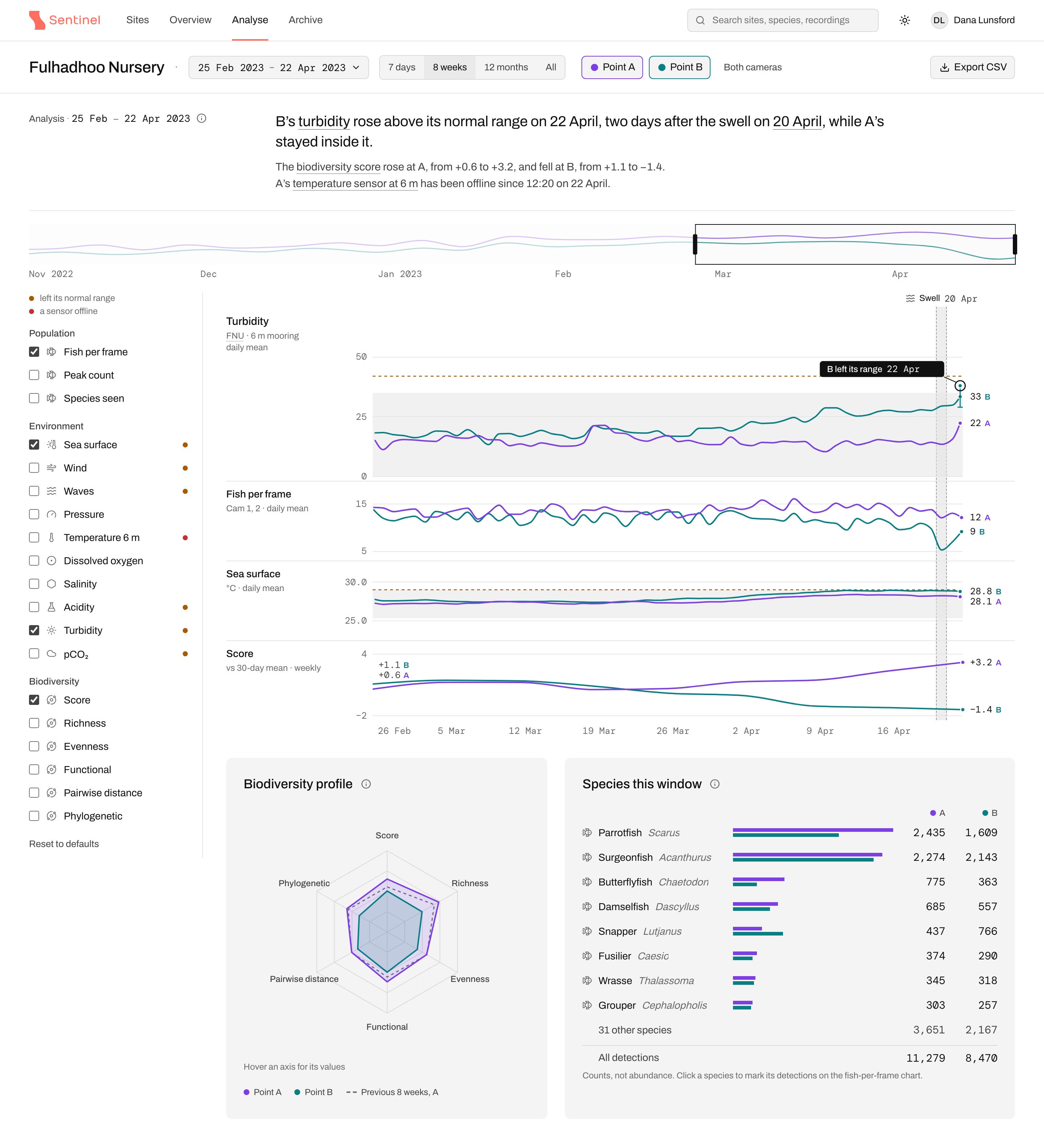
Sentinel, the product behind every unit
Sentinel is the dashboard the site points to. It reads the footage, sensors and weather from each survey point, checks them against the site's own limits, and says in one word whether the site needs attention. Its screens close the page: the overview of one site, in both themes, and the analysis of an eight-week window.